Business between the Netherlands and Russian-speaking partners keeps growing, from agriculture and engineering to tourism and education. Yet a shared deal needs a shared understanding, and that is where interpreters and translators earn their place. Here is how companies in the Netherlands can plan language support that works from the first meeting to the final signature.
Interpreting and translation are different jobs
Interpreters work with the spoken word, in real time or just after a speaker pauses. Translators work with written text, which they can refine, check and polish. Many people use the two words as if they meant the same, but the skills, tools and preparation are quite different.
Choose the service that matches the moment. A site visit or a negotiation calls for an interpreter. A contract, a manual or a website calls for a translator.
Types of interpreting you can book
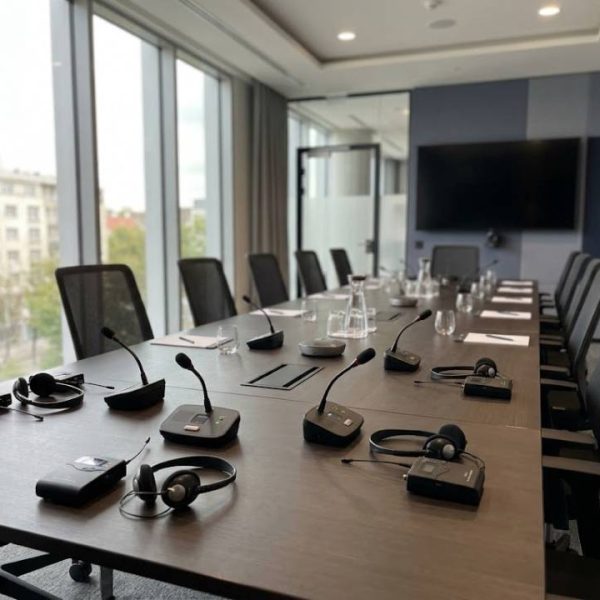
Consecutive interpreting suits small meetings, interviews and factory tours. The speaker talks, pauses, and the interpreter renders the message. Simultaneous interpreting suits conferences and larger groups, and it requires equipment such as booths, receivers and headsets.
Whispered interpreting works when only one or two people need help in a bigger room. Telephone and video interpreting fill the gaps when time is short or participants are far apart. Ask the provider which format they recommend for your event.
Why Russian, Dutch and English often appear together
Many projects involve three languages at once. A Russian-speaking client may read English as a bridge language, while the local team works in Dutch. Documents may move through all three, which makes consistency of names, numbers and technical terms essential.
A bureau that covers all three languages can keep one glossary for the whole project. That saves time and avoids the confusion that arises when different people translate the same term in different ways.
Preparing an interpreter for your event
The best interpreters are briefed. Send the agenda, the speaker list, the slides and any special vocabulary in advance. Even a short call before the meeting helps them understand your goals and the tone you want.
On the day, speak at a steady pace, pause between thoughts and avoid slang or jokes that rely on word play. Look at the audience rather than the interpreter, and allow time for questions.
Official documents and certified translations
Company registrations, powers of attorney, diplomas and civil records often need official recognition before an authority accepts them. In such cases, certified translations give the receiving party confidence that the content is complete and accurate.
Check the requirements of the office or institution first. Some want an original with a stamp, others accept a scan. Ask about the format before the translation starts, because redoing a document costs time.
Working with freelance language professionals
Many projects rely on freelancers. They bring flexibility and subject knowledge, but you need a way to compare them fairly. A practical freelance translator checklist covers qualifications, samples, references, availability and the way they handle confidential material.
Ask for a short paid test on a real passage from your own text. It shows more about quality than a list of past clients ever will.
Cultural details that shape communication
Language is only one layer of understanding. Business etiquette, forms of address and the pace of a meeting differ between Dutch and Russian-speaking cultures. Directness that sounds honest in one setting may feel abrupt in another.
A good interpreter can explain these differences quietly before or after a meeting. Treat that advice as part of the service, and listen to it.
Technical vocabulary and glossaries
Agriculture, machinery, energy and food production each have their own terms, and a wrong word can cause expensive mistakes. Build a simple two or three column glossary with the term in each language and a short note on its meaning.
Share it with everyone who touches the project: interpreters, translators, sales staff and engineers. Update it after each meeting so that it grows into a reliable reference.
Planning time and budget
Good language work needs lead time. Book interpreters as early as you can, especially for busy seasons and trade fairs. For translation, allow time for the translation itself, a second check and any corrections after your own review.
Prices depend on the language pair, the topic, the length and the deadline. Ask for a clear quote that lists what is included, and decide in advance who approves the final version on your side.
Confidentiality and trust
Business texts often hold sensitive information. A reliable provider signs a confidentiality agreement, stores files securely and shares them only with the people who need them. Ask about these practices before you send the first document.
Trust grows when the same people work with you again and again. Keeping a regular team of interpreters and translators saves briefing time and improves quality over many projects.
Learning more about the Russian language
If you work with Russian speakers, a basic understanding of the language helps you appreciate the interpreter's task. The overview of the Russian language explains its history, alphabet and regional variants.
To sum up, match the service to the moment, brief your language professionals, plan early and keep your terminology consistent. With these habits, communication across Dutch, Russian and English becomes a strength rather than a hurdle.